Custom Deck Designs: Elevate Your Property's Outside Ambiance
Thoughtfully designed decks serve an essential role in enhancing a home's outdoor aesthetics. Such designs can enhance architectural styles and integrate beautifully with the natural landscape. Through the careful selection of materials and key features, property owners can develop inviting outdoor areas that combine practicality with visual appeal. That said, the selections made during the design process can substantially affect the property's aesthetic value and marketability. Understanding these elements is crucial for any homeowner considering this upgrade.
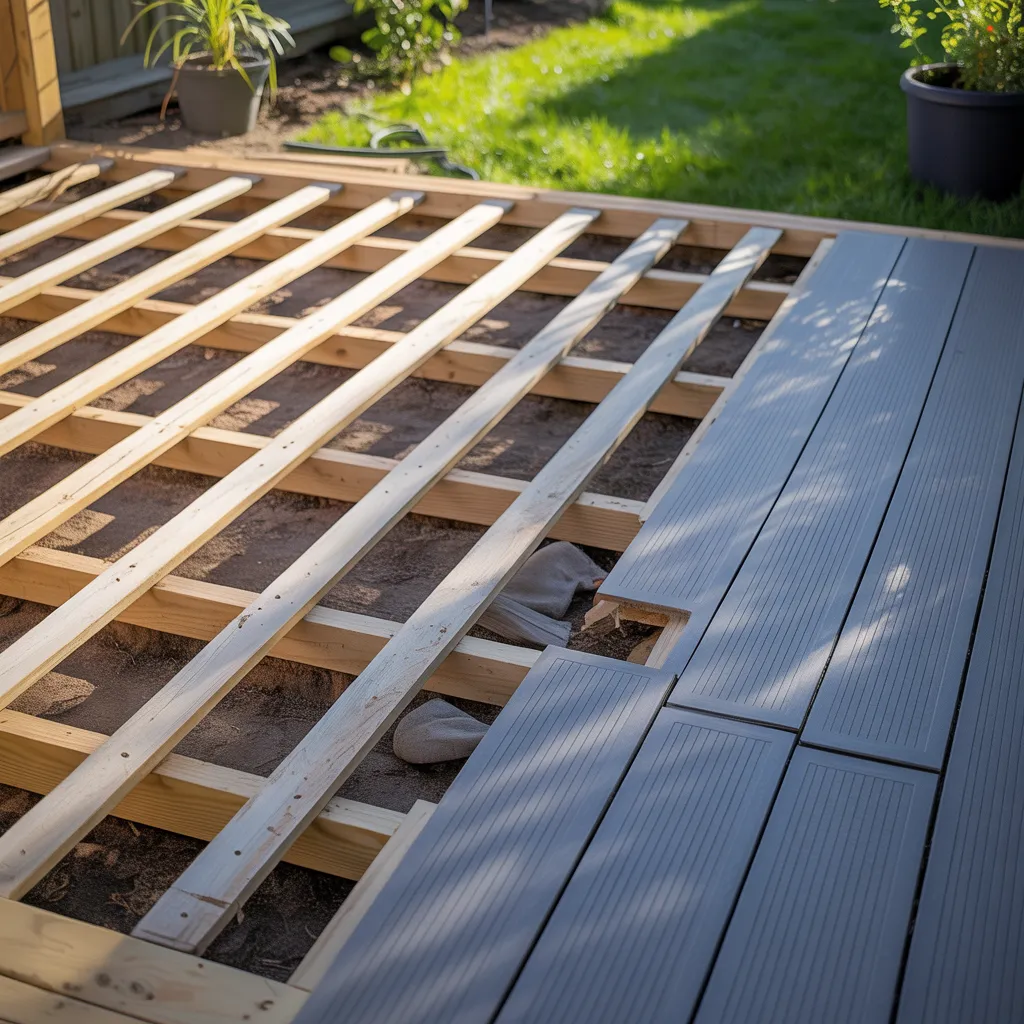
Tailored Deck Styles to Complement Your Home's Aesthetic
How can homeowners choose the perfect deck style to enhance their property? The selection process begins with evaluating the home's architectural style. Sleek, minimalist designs tend to complement modern homes, whereas classic, ornate styles are better suited for traditional residences. Additionally, homeowners should consider the surrounding landscape. A deck built with natural materials in a rustic style can integrate effortlessly into a wooded environment, whereas a contemporary outdoor area may be best complemented by bold geometric designs.
Function is equally important; decks built with entertaining in mind might include built-in seating or railings, while those for relaxation could emphasize shade and seclusion. Color palettes ought to harmonize with the home's exterior, achieving a unified aesthetic.
In the end, a carefully selected deck design not only improves the residence's aesthetic but also improves the total outdoor enjoyment, making careful design selections crucial for homeowners aiming to build an welcoming outdoor space.
Components That Boost Longevity and Aesthetics
Within the realm of custom deck designs, the choice of materials is crucial for balancing durability and aesthetic appeal. Composite materials provide a blend of resilience and low maintenance, while natural wood options provide timeless beauty. Furthermore, innovative material combinations can produce unique finishes that improve both functionality and visual impact.
Advantages of Composite Decking
Though conventional wood decking has historically been preferred for its natural charm, composite decking has established itself as an exceptional choice due to its impressive strengths in both longevity and appearance. Crafted from a combination of recycled wood fibers and plastic materials, composite decking withstands fading, staining, and warping, guaranteeing a resilient surface that holds up against a range of weather conditions. This low-maintenance option eliminates the need for regular sealing, painting, or staining, saving homeowners time and money. Additionally, composite materials offer a wide range of colors and finishes, permitting tailored designs that improve any outdoor living space. At its core, composite decking blends the natural beauty of wood with the durability of synthetic materials, establishing it as a consistently preferred option for today's homeowners.
Organic Wood Options
Although composite decking offers numerous advantages, natural wood materials are still a preferred option for those seeking aesthetic warmth and timeless beauty in their exterior living areas. Woods such as cedar, redwood, and teak are popular for their vibrant tones and characteristic grain details, delivering a genuine refinement that artificial alternatives often fail to achieve. These wood species not only improve the overall appearance but also exhibit innate strength when correctly maintained. Protective measures like sealants and stains can offer enhanced resistance to water and ultraviolet deterioration, increasing the durability of the decking surface. Moreover, the green credentials of sustainably obtained timber attract environmentally minded property owners. In summary, natural wood selections offer an impressive combination of elegance and durability, making them a compelling choice for custom outdoor designs.
Creative Material Combinations
Merging diverse components can enhance the longevity and visual charm of personalized deck layouts. By integrating composite decking with natural wood, property owners attain a blend between longevity and beauty. Composite materials are immune to deterioration and color loss, while wood provides a cozy, natural element. Moreover, including metal features, such as frames or guardrails, modernizes the look and enhances structural integrity. Stone elements can be applied to steps or borders, supplying a visual contrast that improves the overall layout. These unique combinations not only stand up to outdoor conditions but also create a visually striking outdoor space. At the end of the day, picking the right combination of materials facilitates personalized, functional decks that align with the architectural style and surrounding landscape.
Must-Have Features for a Comfortable and Functional Deck
When designing a deck, integrating vital elements is essential for achieving both comfort and usability. A carefully considered layout is essential, allowing for ample space for seating, dining, and movement. Durable furniture, like weather-resistant chairs and loungers, fosters relaxation while welcoming guests to remain.
Adding shading features, including pergolas or retractable awnings, shields from direct sunlight, allowing the area to be enjoyed during hot weather conditions. Moreover, adding fixed planter boxes provides vibrant foliage, elevating the overall look and creating a calming atmosphere.
Lighting also plays a significant role; thoughtfully arranged fixtures can boost both safety and ambiance throughout evening events. Finally, including storage solutions, such as benches with compartments, can keep the deck organized and clutter-free. By thoughtfully selecting these features, homeowners can design a deck that is functional and welcoming, turning outdoor spaces into seamless extensions of the home.
Increase Your Home's Value With Custom Decks
Custom-built decks can considerably increase a home's market value, making them an excellent investment for homeowners. These outdoor features not only enhance the aesthetic appeal of a property but also offer practical space for relaxation and entertainment. A professionally designed custom deck can appeal to interested buyers, demonstrating craftsmanship and care.
Real estate experts often note that homes with appealing outdoor spaces tend to sell faster and for higher prices. Elements including built-in seating, stylish railings, and high-quality materials can significantly boost a property's attractiveness. Moreover, a personalized deck enlarges the usable living area, giving homeowners the opportunity to engage in outdoor pursuits in every season.
Additionally, decks are able to be designed to accommodate various lifestyles, whether for family get-togethers or tranquil getaways, effectively extending appeal to a broader market. Ultimately, putting money into a custom deck not only elevates the experience of homeowners but also acts as a smart strategy to improve the home's overall market value.
Tips for Integrating Landscaping With Your Custom Deck
Combining landscaping with a custom deck improves both visual appeal and practical use. Through balancing design components, choosing suitable plants, and improving outdoor transitions, homeowners can establish a unified outdoor environment. This thoughtful approach not only elevates the deck's appearance but also improves the overall enjoyment of the area.
Aligning Design Elements
Even though a beautifully constructed deck can shine independently, the true beauty lies in how it harmonizes with the natural surroundings. To accomplish this goal, the deck's surfaces and tones should complement natural elements, establishing a fluid transition between indoor and outdoor spaces. Including design elements, such as posts or balustrades, that mirror the aesthetic of adjacent structures strengthens this cohesion. Additionally, taking the deck's form relative to the natural terrain into account is essential; sweeping curves can replicate organic forms, while straight edges may align find here with geometric landscaping. Lastly, the placement of the deck should maximize views and sunlight, allowing it to serve as a core element of the surroundings rather than a standalone feature. This careful blending enhances the visual appeal of both the deck and landscape.
Plant Selection Strategies
Choosing the right plants can significantly strengthen the relationship between a custom-built deck and its surrounding landscape. Thoughtful plant selection not only enhances the deck's aesthetic but also fosters a natural flow between interior and exterior areas. Native plants are often favored for their adaptability and low maintenance, ensuring that landscaping prospers with minimal intervention. Including different heights, textures, and colors can create visual interest and depth around the deck. For example, lofty ornamental grasses can mellow sharp borders, while vibrant flowering plants add periodic bursts of color. Moreover, using planters or vertical gardens can optimize available area and add plant life without overpowering the design. Ultimately, strategic plant choices create a cohesive outdoor setting that elevates the entire home aesthetic.
Enhancing Outdoor Flow
To optimize outdoor living, homeowners must consider how landscaping can seamlessly connect with their custom deck. Carefully incorporating plants, pathways, and hardscapes can establish a unified space that bridges the indoor and outdoor spaces. Planting native species delivers not only decorative charm but also reduces upkeep. Thoughtfully arranged garden beds or shrubs can soften the deck's edges, while ornamental grasses may bring dynamic character and depth. Furthermore, adding a well-marked path leading to the deck invites discovery of the outdoor space. Elements like trellises or garden arbors can maximize vertical dimensions, directing attention skyward and establishing a feeling of intimacy. In the end, a thoughtfully designed landscape enhances the deck's functionality and elevates the overall outdoor experience.
Tips for Collaborating With a Professional Deck Designer
Effective collaboration with a professional deck designer can greatly enhance the outcome of a project. To guarantee a successful partnership, property owners should commence by thoroughly expressing their vision, including preferred styles, materials, and desired features. Presenting inspiration images can supply a visual resource that assists the designer in identifying your tastes.
Maintaining open communication is essential; periodic check-ins can prove helpful in handling any concerns or changes necessary throughout the design journey. Property owners should also be willing to consider expert recommendations, as designers bring valuable insights about structural integrity and local regulations.
Defining a clear budget at the outset allows the designer to propose options that align with financial parameters. Finally, establishing a timeline helps manage expectations and keeps the project on track. By implementing these strategies, homeowners are able to build a strong working relationship with their deck designer, ultimately resulting in a beautiful and functional outdoor space.
Frequently Asked Questions
How Long Does a Custom Deck Project Typically Take?
A custom deck build generally requires anywhere from two to six weeks, based on factors including design intricacy, material selection, and prevailing weather conditions. Adequate planning and organized scheduling can help make the construction process more efficient.
What Permits Do You Need for Building a Custom Deck?
Creating a custom deck typically requires obtaining various permits, including zoning approvals, building permits, and possibly environmental evaluations. Regional requirements vary, so consulting with local authorities confirms compliance with all required standards for building.
Can I Add Lighting Features to My Custom Deck?
Absolutely, lighting options can be incorporated into a custom-built deck. Various options, including solar fixtures and LED lights, enhance aesthetics and functionality, fostering a warm atmosphere for evening gatherings while guaranteeing safety and proper visibility.
What Is the Average Price of a Custom Deck?
The standard cost of a custom-built deck generally falls between $15 and $35 per square foot, influenced by material choices, design intricacy, and installation requirements. Homeowners need to account for these key elements when estimating costs for their projects.
How Should I Care for My Custom Deck Over Time?
To preserve a personalized deck for years to come, regular cleaning, sealing, and inspection for damage are essential. Implementing protective coatings and addressing repairs in a timely manner can significantly prolong its life and maintain its visual appeal.